
Discover Ancient Healing Wisdom
Explore centuries-old cultural health traditions from across the globe. Learn how different societies have cultivated wellness through natural practices, botanical knowledge, and holistic approaches.
The information on this site is for educational purposes only and does not constitute medical advice. Always consult a qualified healthcare professional before making health decisions.
Why Cultural Health Traditions Matter
Traditional health practices represent thousands of years of accumulated knowledge. These systems, developed across Africa, Asia, Europe, and the Americas, offer profound insights into how humans can support their wellbeing through alignment with nature and cultural wisdom.
Unlike approaches based on single mechanisms, traditional systems consider the whole person—their environment, relationships, beliefs, and individual constitution. This holistic perspective remains relevant today as people seek comprehensive understanding of wellness.
By studying these traditions, we gain access to botanical knowledge, lifestyle practices, and philosophical frameworks that have stood the test of time. Understanding this heritage helps us appreciate diverse approaches to health and personal wellbeing.
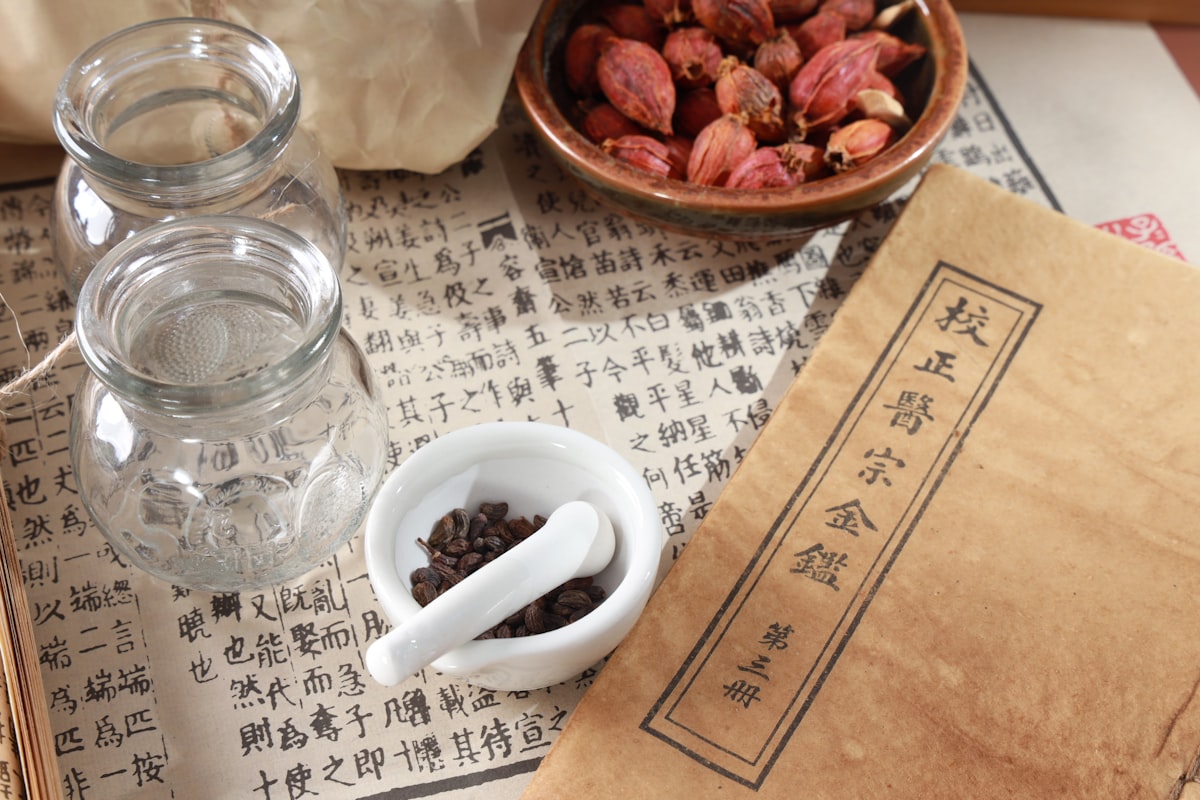
Global Healing Practices
Ayurvedic Wellness
The Indian system of Ayurveda emphasises balance between three fundamental energies (doshas). This 5,000-year-old tradition uses herbs, dietary principles, and lifestyle practices to support individual constitutional health.
Traditional Chinese Medicine
TCM approaches health through understanding Qi flow and balance between opposing forces. Herbal remedies, acupuncture principles, and food as health support form the foundation of this ancient Asian system.
African Traditional Knowledge
African health systems integrate herbal expertise, spiritual practices, and community wellness. These traditions, diverse across the continent, emphasise the connection between individual, community, and environment.
European Herbal Heritage
European folk traditions and historical herbalism feature plants native to temperate regions. Medieval monastery gardens and traditional cottage remedies preserve knowledge of seasonal living and plant applications.
Indigenous American Traditions
Native American health practices emphasise harmony with natural cycles, respect for plant allies, and spiritual dimensions of wellbeing. These traditions recognise the interconnection of all living things.
South American Botanical Knowledge
The rainforest and highland regions of South America hold extraordinary botanical resources. Traditional practitioners pass down knowledge of plant applications for supporting various aspects of wellbeing.
Journey Through Traditional Medicine
Explore Cultural Foundations
Begin by understanding the philosophical and cultural roots of traditional systems. Each culture developed its own framework for understanding health based on observation, climate, available plants, and spiritual beliefs.
Study Herbal & Botanical Knowledge
Learn how different traditions classify and use plants. Explore the botanical resources available in various climates and how traditional practitioners understand plant properties, preparation methods, and appropriate applications.
Understand Lifestyle Practices
Discover how traditional systems incorporate movement, seasonal rhythms, dietary principles, sleep patterns, and social connection. These lifestyle foundations often form the core of traditional approaches to wellbeing.
Learn Diagnostic Approaches
Traditional systems developed unique ways of observing and understanding individual patterns and needs. Study how practitioners assess constitution, identify imbalances, and tailor their recommendations to the whole person.
Integrate Multiple Traditions
Gain perspective by studying how different cultures approached similar health challenges. Recognise common themes across traditions while appreciating unique cultural insights and contextual differences.
Develop Cultural Competence
Learn to appreciate traditional systems on their own terms, not just filtered through modern lenses. Understand how to respect cultural contexts, recognise the depth of traditional knowledge, and integrate this learning into your perspective.
Stories From Cultural Practitioners
Sarah Chen
Traditional Medicine Writer, Glasgow
"The Traditionalcarecompendium has become my primary resource for understanding how different cultures approach wellness. The depth of information about Chinese herbal traditions, combined with respectful presentation of other global systems, has enriched my writing considerably. It's rare to find such comprehensive cultural knowledge presented with genuine scholarship."
Amara Kofi
Cultural Health Educator, London
"As an educator working with multicultural communities, I appreciate how this compendium honours African, Asian, and Indigenous traditions as legitimate knowledge systems. The botanical information is accurate, and the cultural context helps people understand wellness beyond a Western lens. Highly valuable for anyone serious about traditional health learning."
Roberto Jimenez
Ethnobotanist, Edinburgh
"The research into South American and Indigenous botanical traditions is particularly thorough. This resource bridges academic rigor with accessible presentation, making it invaluable for students and professionals exploring traditional medicine. The respectful approach to cultural knowledge is refreshing."
Emma Matthews
Wellness Consultant, Manchester
"I recommend this compendium to all my clients interested in understanding traditional wellness approaches. The information about European herbal heritage and how to contextualise modern wellness within historical traditions has been genuinely helpful. Clear, well-organised, and deeply informative."
Key Features of This Learning Platform
Global Perspective
Comprehensive coverage of health traditions from Africa, Asia, Europe, the Americas, and beyond. Learn how different cultures developed sophisticated understanding of wellness through observation and experience.
Evidence-Based History
Grounded in historical research and anthropological understanding. Each tradition is presented with cultural context, showing how traditional systems developed to address real health needs within specific environments.
Botanical Deep Dives
Detailed information about plants used across traditions. Understand plant properties, traditional applications, preparation methods, and how different cultures approached similar botanical resources.
Holistic Frameworks
Explore philosophical and conceptual foundations that informed traditional health systems. Understand why these approaches emphasised whole-person wellness and connection to natural cycles.
Educational Integrity
Content designed for genuine learning, not commercial interests. Each tradition is respected on its own terms, avoiding cultural appropriation or reductionist simplification of complex systems.
Practical Insights
Learn lifestyle principles, seasonal approaches, and daily practices from traditional systems. Understand how historical wellness knowledge can inform modern perspectives on health and living well.
Explore Five Continents of Wellness
Asian Traditions
Explore Ayurveda, Traditional Chinese Medicine, Tibetan medicine, and other sophisticated Asian systems that shaped wellness understanding for billions of people across millennia.
Discover Articles →
African Knowledge
Learn about diverse African health traditions spanning Egypt, West Africa, East Africa, and beyond. Discover botanical expertise, spiritual healing practices, and community wellness approaches.
Discover Articles →
European Heritage
Explore European folk traditions, monastery herbalism, and historical wellness practices. Understand how temperate climate plants shaped European approaches to health and seasonal living.
Discover Articles →
Indigenous Americas
Study Native American traditions, Andean healing practices, and Mesoamerican knowledge systems. Learn about spiritual dimensions of health and harmony with natural cycles and plant allies.
Discover Articles →
South American Rainforest
Discover the extraordinary botanical knowledge of rainforest cultures. Learn about plant applications, traditional preparation methods, and how indigenous communities have stewarded biodiversity.
Discover Articles →
Cross-Cultural Themes
Explore common patterns across traditions. Understand universal wellness principles, how different cultures approached similar health challenges, and what modern perspectives can learn from traditional wisdom.
Discover Articles →
Common Questions About Natural Traditions
What makes traditional health systems different from modern approaches? +
Traditional systems developed over centuries through careful observation and experimentation within specific cultural contexts. They typically emphasise individualisation, prevention, and the whole person rather than isolated symptoms. Traditional approaches often integrate lifestyle, philosophy, and environmental factors in ways that modern reductionist approaches may not capture. Understanding these differences helps us appreciate distinct ways of thinking about wellness.
How can I learn about traditional knowledge respectfully? +
Approach traditional systems with genuine curiosity and respect for their cultural origins. Avoid reducing complex systems to simplified ideas or viewing them only through Western scientific filters. Study the philosophical frameworks that gave rise to these practices. Recognise that traditional knowledge belongs to cultures, and learning it involves acknowledging intellectual heritage. The Traditionalcarecompendium helps by presenting traditions in their cultural context rather than extracting isolated elements.
What role do plants play in traditional wellness systems? +
Plants have been central to every traditional health system because they are widely available, effective, and renewable. Different cultures developed sophisticated classification systems for understanding plant properties. Traditional practitioners observed which plants supported specific situations, developed preparation methods, and integrated this knowledge into broader wellness frameworks. Plants in traditional systems are often understood not just chemically but in relation to season, preparation, dosage, and individual constitution.
Do traditional approaches contradict modern understanding? +
How do I know which traditional practices are safe? +
Can traditional care be combined with modern medicine? +
Begin Your Wellness Journey
Explore centuries of traditional wisdom integrated with modern understanding. Access verified knowledge, practitioner guidance, and evidence-based practices.
Stories of Wellness
"Discovering traditional Ayurvedic practices through the Compendium transformed my understanding of health. I finally understand my constitution and can make informed choices."
— Priya M.
Delhi, India
"The comprehensive approach to herbal remedies helped me integrate traditional Chinese medicine with my modern healthcare routine safely and effectively."
— Chen Wei
Shanghai, China
"As a practitioner, I recommend the Traditionalcarecompendium to all my clients. It bridges ancient wisdom with contemporary science beautifully."
— Dr. Sarah O'Brien
Dublin, Ireland